
The Vision Fix: Most People Haven’t Heard Of But Could Change Your Life Overnight
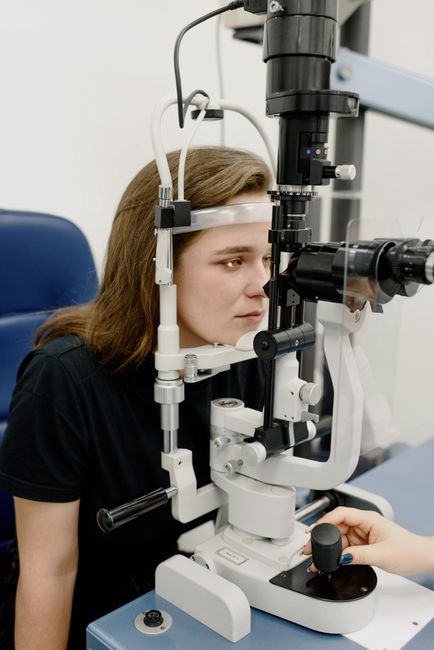 Photo from Pexels
Originally Posted On: https://wellbeingmagazine.com/the-vision-fix-most-people-havent-heard-of-but-could-change-your-life-overnight/
If you wear glasses or contact lenses, you’ll know the drill: steaming up on a cold dog walk, wrestling with lenses at 6am, or that heart-sinking moment when you realise your glasses are on a restaurant table three miles away – usually just when you need to read a train board. Most of us accept this as “our lot in life”. Glasses, contacts or laser. End of story.
But quietly, behind the scenes, another option has been changing people’s lives in ways they didn’t know were possible. It’s called ICL surgery, and if you’ve never heard of it, you’re not alone. Many patients only discover it after being told they’re “not suitable for laser”, or after years of dry, uncomfortable eyes from contact lenses. Yet for a growing number of people in their 20s to 50s, it’s proving to be a complete game-changer.
What actually is an ICL?
Think of it as a tiny, soft, flexible lens that sits inside the eye – like the most comfortable contact lens you’ve ever worn, except you don’t feel it, you don’t touch it, and you definitely don’t remove it every night.
“It works with your natural eye, not instead of it,” explains Consultant Ophthalmic Surgeon Mr Mfazo Hove. “We’re not reshaping anything. We’re simply adding a gentle, permanent focusing lens to the eye’s natural optical system.”
In everyday language? It gives you clear vision without touching the cornea. And yes, it’s reversible.
Who is it actually for?
If you’ve ever been told you’re not a laser-surgery candidate, this might be exactly why ICLs exist.
They’re often ideal for people with high prescriptions, thin corneas, dry eyes made worse by long hours at screens, hard-to-correct astigmatism, or a preference for reversible treatments. For many who feel they’re stuck between imperfect glasses, irritating contact lenses and unsuitable laser surgery, the ICL fills a gap they didn’t know could be filled.
“These are the eyes that often do brilliantly with an ICL,” says Mr Hove. “Especially people juggling long hours at computers who feel their eyes are just fed up with lenses.”
So what’s the procedure actually like?
Much less dramatic than your imagination might suggest.
There’s no general anaesthetic, no bandages, and no long recovery in a darkened room. You arrive, you have numbing drops, a tiny opening is made, the soft lens folds in, slides behind the iris and gently unfurls. You go home the same day.
Many people can see clearly before they’ve even left the hospital car park.
One patient described it as “less stressful than the dentist”, adding, “I woke up the next day with 20/20 vision. Absolutely wild.” Another said: “I couldn’t see the top letter of the chart before. The next day I could see better than 20/20.”
It really can be that fast.
The part hardly anyone knows: the measurements matter more than the surgery
ICL surgery isn’t just about the procedure, it’s about the planning.
Before surgery, your eyes undergo incredibly detailed scans that map the depth, width and internal shape of the space where the lens will sit. Surgeons call this choosing the “Goldilocks size” (not too big, not too small, but just right).
“An ICL has a sweet spot where it sits happily inside the eye,” explains Mr Hove. “So we take detailed measurements to choose the perfect lens. When the fit is right, the results are outstanding.”
This is where expert centres really stand out: they use advanced imaging and tailor the lens to your unique eye, not an average template.
What about long-term safety?
This is where ICLs surprise people.
Because the cornea is untouched and the natural lens remains in place, the eye keeps its structural integrity. The material has UV protection built in, and unlike laser surgery, the treatment can be reversed or updated later.
After surgery, reputable clinics follow patients with yearly scans to check the vault (the space between the ICL and the natural lens) and the endothelial cells (the cells that keep the cornea clear). These appointments take minutes and offer ongoing reassurance that everything remains exactly as it should be.
“Think of it as having a partner in your eye health for the long haul,” says Mr Hove. “It’s a modern, future-friendly approach to vision.”
What does life feel like with an ICL?
Most patients say the same thing: effortless.
No dryness. No faffing with lenses. No steamed-up glasses in winter. No panicking about forgetting your specs on holiday.
Many describe it as the first time their vision feels “natural”, as if they were born with it. As one patient put it: “I didn’t realise how much mental space my glasses were taking up until they were gone.”
Should everyone get one?
No vision treatment is right for absolutely everyone. But ICLs are an excellent option for far more people than realise it, especially those who feel stuck between imperfect glasses, uncomfortable contact lenses and unsuitable laser surgery.
If your eyes often feel tired, irritated, blurry or simply “not quite right” with your current correction, it’s worth exploring all your options.
“Vision shouldn’t feel like hard work,” says Mr Hove. “The right treatment should fit your eyes, your lifestyle and your future, not the other way around.”
The bottom line
ICL surgery isn’t a trend or a gimmick, and it’s not nearly as dramatic as it sounds. It’s a beautifully simple idea: a tiny, soft internal lens that quietly does the heavy lifting so you don’t have to.
If you’ve never felt at home in glasses or contacts – or if laser wasn’t right for you – the ICL might be the modern alternative you didn’t know existed. And if the idea of clearer, calmer, low-maintenance vision feels like a small miracle, you’re exactly the kind of person it was designed for.
Mr Mfazo Hove MBChB MD FRCOphth CertLRS is a Consultant Ophthalmic Surgeon specialising in ICL and cataract surgery. He is the founder of Blue Fin Vision, with clinics across London and the South East. More information is available at bluefinvision.com.
Written By Mr Mfazo Hove MBChB MD FRCOphth CertLRS, Consultant Ophthalmic Surgeon
Information contained on this page is provided by an independent third-party content provider. Frankly and this Site make no warranties or representations in connection therewith. If you are affiliated with this page and would like it removed please contact pressreleases@franklymedia.com
